English
 Français
 Deutsch

In Zambia’s vast Game Management Areas (GMAs), where people and wildlife share the same space, conservation is less about boundaries and more about balance. Musekese Conservation works across landscapes where legality, livelihoods, and wildlife protection intersect in ways that are often messy, political, and human.
“We’ve always found that the traditional ‘boots on the ground’ approach isn’t enough here,” says Katrina Garnett, Programme Manager at Musekese. “If you don’t understand the people, that’s your first problem.”
Musekese’s model reflects that reality and is built on three core pillars: resource protection, ecological research, and community-led conservation. The organisation has grown from a small team of around a dozen scouts into a workforce of more than 150 people. Today, that includes over 100 scouts, research teams, operational staff, and community outreach programmes.
Historically focused within Kafue National Park, Musekese expanded into Mumbwa and Kassonso Busanga GMAs in recent years, areas where conservation rules are less clearly defined and multiple land uses coexist. Legal hunting, logging, mining, and subsistence farming all form part of the same landscape. “There’s a lot more that the land needs to generate for people,” Garnett explains. “It’s not just about tourism. If communities don’t benefit, conservation doesn’t hold.”
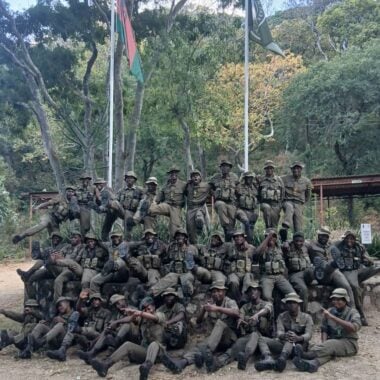
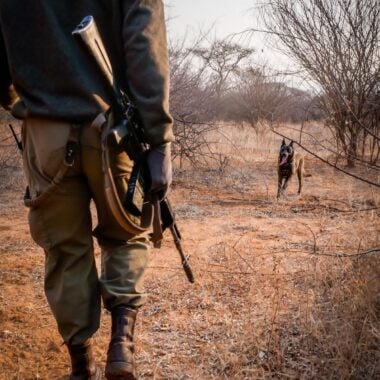
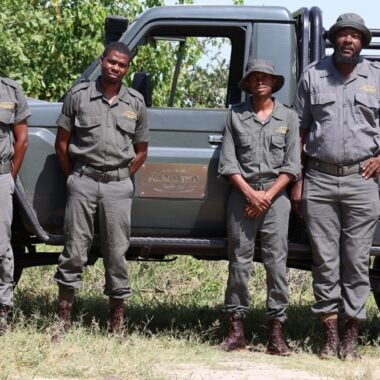
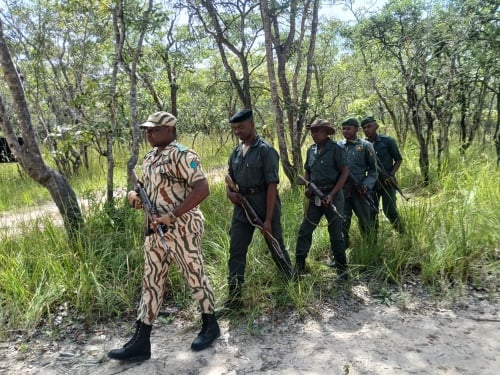
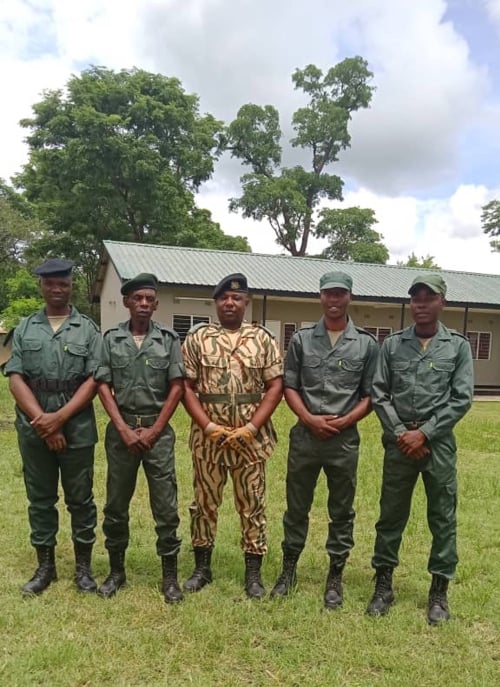
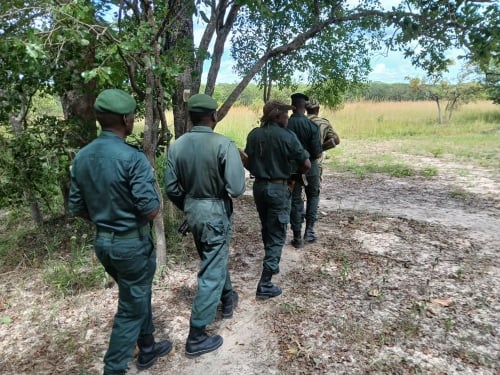
Roughly 80 of Musekese’s scouts are community-based, meaning they come directly from the areas they protect. The rest are Wildlife Police Officers (WPOs), trained through government programmes and deployed alongside them. In the field, they operate as one unit, sharing equipment, patrol duties, and risk.
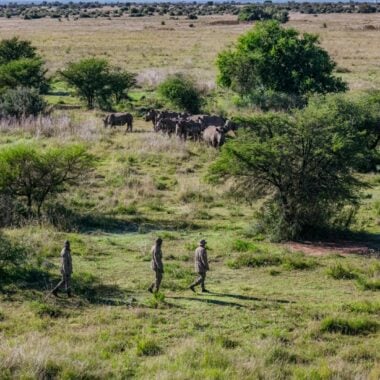
A typical patrol cycle lasts 20 days, and teams are briefed just before deployment, often without prior knowledge of where they’ll be operating. From there, they move into the field (sometimes by vehicle, often by bicycle) carrying food, tents, and essential gear across wet, difficult terrain. “The landscape isn’t very mobile with vehicles,” says Lourens de Lange, Senior Field Operations Manager. “So teams use bicycles to move their kit. It’s old-school, but it works.”
Patrols may focus on general presence, intelligence-led operations, or ambushes in known poaching hotspots. Every sighting matters—animal tracks, human movement, signs of illegal activity—all logged into handheld devices to build a well-rounded picture of the landscape.
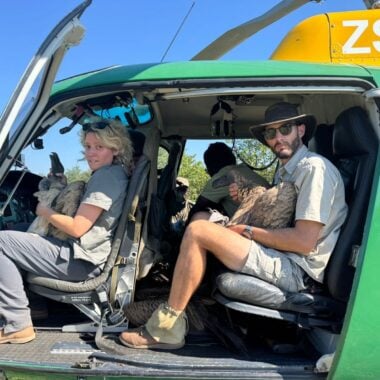
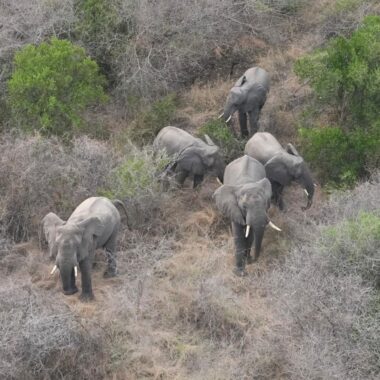
That data feeds into Musekese’s third pillar: research. Led by Charlotte Krag, the team uses camera traps, collar tracking, and field surveys to monitor wildlife populations, particularly large carnivores and their prey. “It’s about evidence,” she explains. “Are populations increasing? Is the work on the ground actually making a difference?”
When Musekese moved operations into the Mumbwa GMA in 2023, deforestation rates were a major concern. At the time, the area was losing around 50 hectares of forest per day. Within a year, that figure had dropped to 19. Unlike national parks, GMAs are inhabited. People live there, farm there, and depend on the land for survival. Conservation, in this setting, cannot simply remove those pressures. It has to work around them; community engagement becomes critical.
Musekese runs a range of initiatives, from school support programmes to women’s farming groups, aimed at creating more stable and sustainable livelihoods. The goal isn’t short-term aid, but long-term alignment, which ensures that conservation efforts don’t create imbalances or resentment between neighbouring communities. “You don’t want to over-support one area and neglect another,” Garnett says. “That’s where conflict starts.”
It’s a delicate balance, especially in regions where legal but controversial industries like logging and mining are also present. In some areas, these activities pose as much of a threat to ecosystems as poaching does. “Logging is one of the biggest challenges at the moment,” says de Lange. “And then there’s exploration for minerals. It’s a complex environment.”
That complexity extends beyond the landscape itself. Operating in these areas often means navigating complex layers of stakeholders. Progress can be slow, uneven, and difficult to measure at times. But there are signs of change. Over time, the team has seen increasing cooperation from within communities and even from individuals previously linked to illegal activities. “It’s an intricate dance,” de Lange says. “But you do start to see people move in the right direction.”
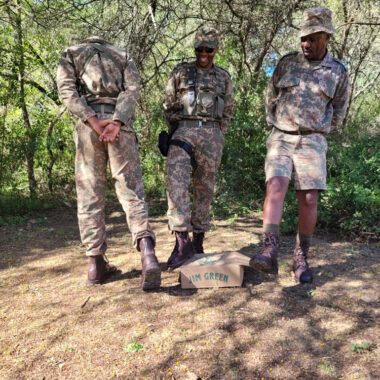
Despite spending weeks at a time in remote, demanding conditions, there’s a strong sense of pride in how the scouts present and conduct themselves. “They still polish their boots every day,” de Lange says. “Even when they’re out in the field with no one else around.”
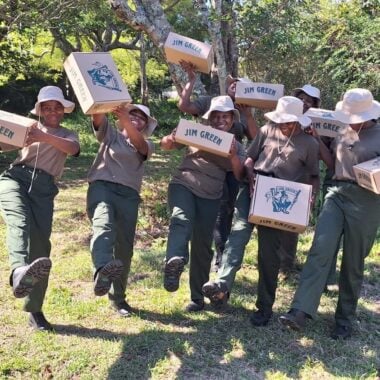
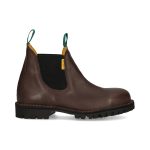
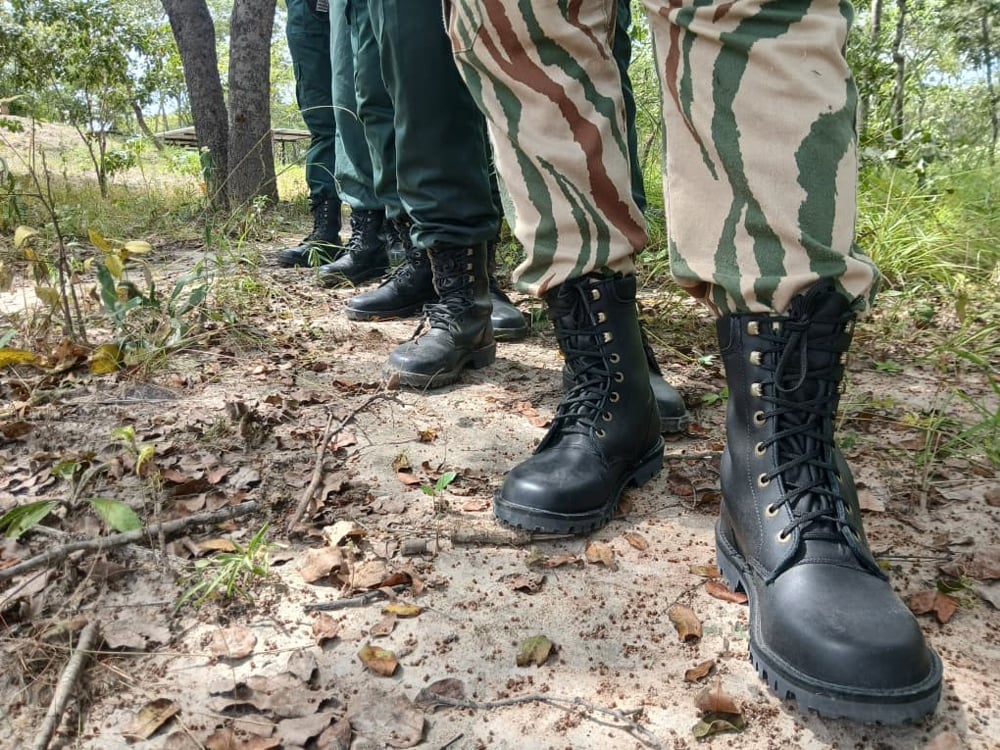
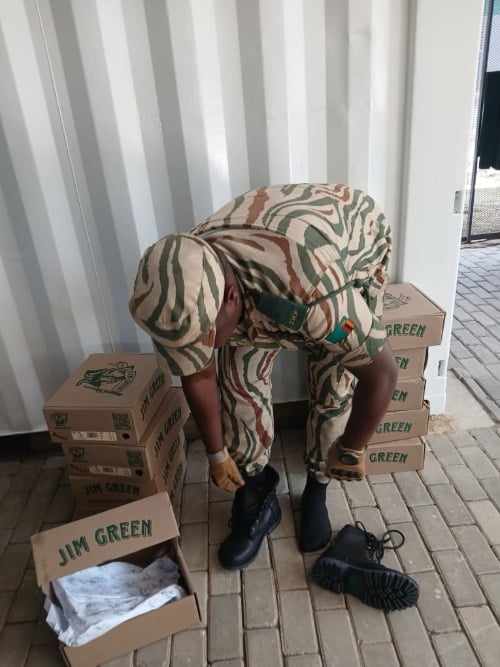
Through the Boots for Rangers initiative, Musekese has received over 150 pairs of Jim Green boots, with additional support continuing. Every scout in the field now operates with the same standardised gear, including the AR8 boots designed for durability and long-distance patrols.
In a landscape where scouts move on foot and by bicycle across vast, waterlogged terrain, reliability matters. But like everything at Musekese, boots are just one part of a much bigger picture that’s built as much around people as it is around protection. They know that conservation only works if the communities living alongside it are part of it too.
Cheers,
The Jim Green Team
Through our Boots for Rangers initiative, run in partnership with the Game Rangers Association of Africa, we donate one pair of boots to a ranger for every ten pairs sold from our Ranger range. These boots are now supporting conservation teams at sites across Africa, with over 6,000 pairs already on the ground.