English
 Français
 Deutsch

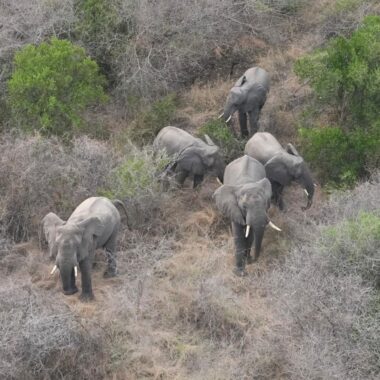
Situated just outside Gqeberha, Addo Elephant National Park was established in 1931 to save the last remaining elephants in the region, and has grown into South Africa’s third largest and one of its most ambitious national parks. More than 600 elephants roam its valleys and spekboom-covered hills, but the park’s significance stretches far beyond its famous grey giants.
Addo is the only national park in South Africa that protects the “Big Seven”: lion, leopard, rhino, buffalo, and elephant on land, and great white shark and southern right whale in its marine section. It spans five of the country’s nine terrestrial biomes, from Albany thicket and fynbos to Nama Karoo and coastal forest. Ancient cycads push through rocky slopes. Flightless dung beetles trundle across sandy roads. Offshore, African penguins breed on islands battered by the Indian Ocean.
“It now protects a wide range of species and ecosystems,” one conservation team member explains simply, an understatement for a park that has evolved from an elephant refuge into a biodiversity stronghold.
Success, however, can bring complexity. One of Addo’s biggest challenges is its growing elephant population. What was once a desperate effort to prevent extinction has become a careful balancing act. Too many elephants can degrade sensitive habitat, stripping vegetation and placing pressure on water resources. At the same time, the park faces habitat fragmentation from surrounding development, invasive alien plants, wetland degradation, and the ever-present threat of poaching. There are other pressures too: abalone poaching along the coast, meat poaching and snares set along the fence line, even the theft of infrastructure such as fencing poles. In some cases, elephant dung is illegally collected for traditional medicinal use. Climate pressure adds another layer of uncertainty in an already water-stressed landscape.
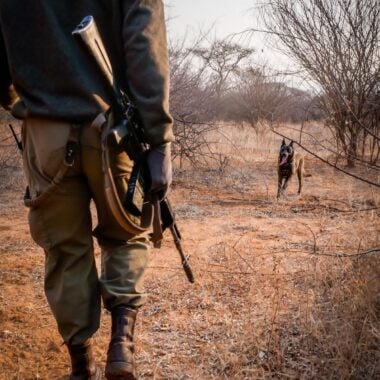
To address these challenges, Addo is expanding strategically, restoring habitat, strengthening wildlife corridors, and investing in specialised ranger training, including K9 tracking and advanced human-tracking skills to respond effectively to incursions.
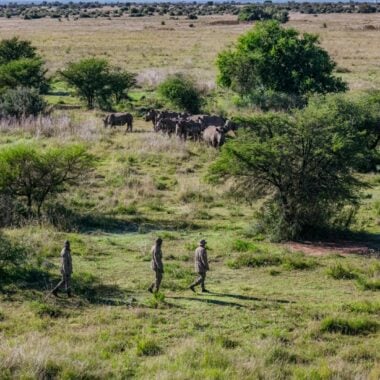
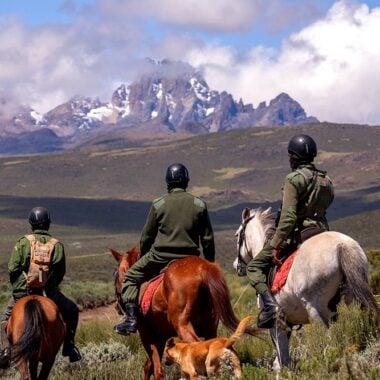
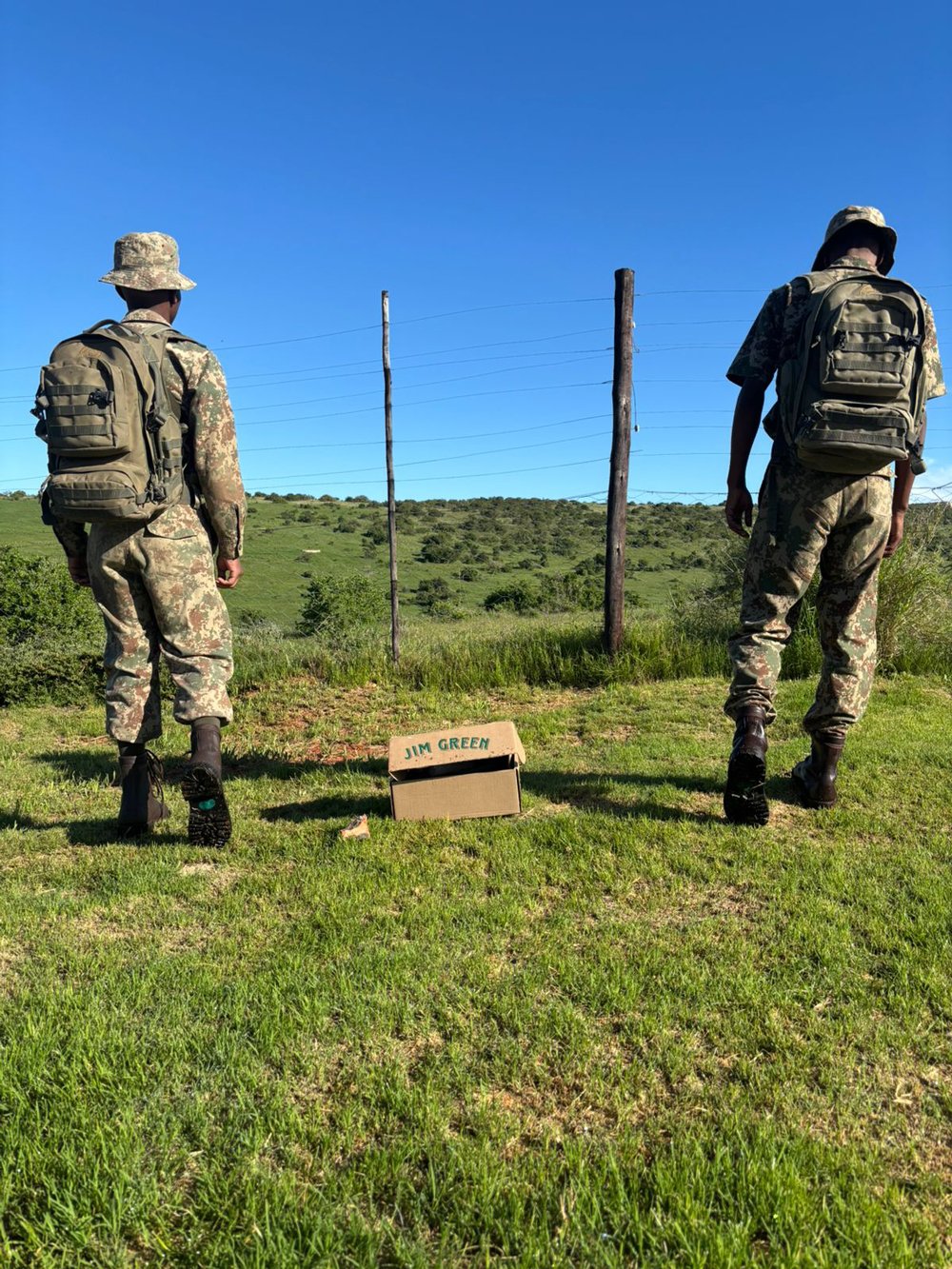
Rangers routinely patrol between 10 and 25 kilometres on foot, sometimes more by vehicle, depending on the terrain and the threat level. They move through dense thicket that can swallow visibility whole, across rocky slopes, steep mountain sections, and sandy riverbeds. In summer, heat radiates off the ground; in winter, icy rain turns slopes slick and treacherous. “Every day demands awareness and physical endurance,” a ranger explains.
Encounters with erratic wildlife are part of the job description. Elephants in musth (the annual hormonal cycle in adult male elephants characterized by a big surge in testosterone) can become aggressive and unpredictable. Thick vegetation means rangers must remain constantly alert. Not only for poachers, but for buffalo, lions, or a startled elephant cow protecting her calf. “The first rule for patrolling is safety,” one Anti-Poaching Unit member notes.
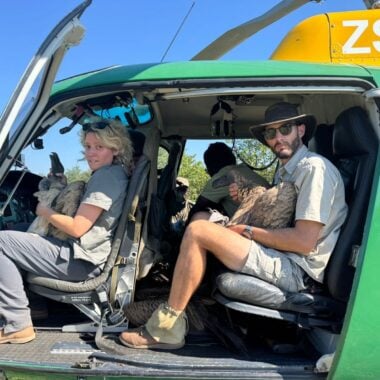
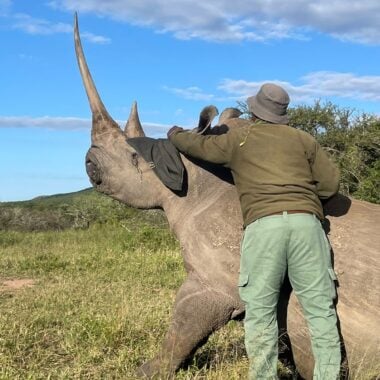
Beyond patrols, their responsibilities are wide-ranging. Rangers remove snares and gin traps, assist veterinarians during wildlife interventions, collect data, monitor water points, inspect camera traps, support research teams, manage access control, and engage in community outreach. Some participate in sports programmes with local youth. Others assist in joint operations with police and community forums.
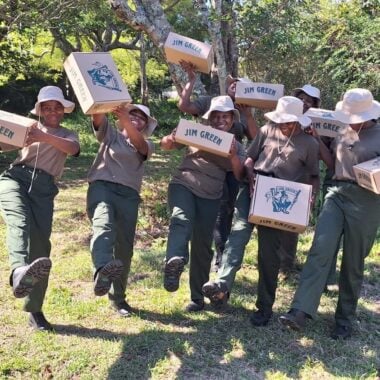
Addo’s future isn’t defined by enforcement alone. Community engagement forms a critical pillar of its conservation model. The park builds coexistence with neighbouring communities through education programmes, youth initiatives, and structured involvement via socio-economic transformation projects. Awareness campaigns address poaching and infrastructure theft. Sports initiatives and school outreach programmes introduce young people to conservation careers. NGOs partner with the park to support environmental education and species-specific awareness, including black rhino conservation.
Looking ahead, Addo’s leadership envisions a shift toward what they describe as a more holistic “Living Landscape.” Over the next decade, the park aims to move beyond a traditional fenced-reserve model toward an integrated conservation hub. What does this mean? The park will expand corridors, strengthen regional connectivity, and position itself as a biodiversity and climate-resilience laboratory. In practical terms, that means creating ecological linkages beyond current boundaries, fostering equitable community partnerships, and ensuring that conservation delivers tangible economic benefits.
For some, the motivation remains personal. “The reason why I joined this organisation is for the love of nature and to protect these animals for future generations,” says Elvis Shabangu, a ranger with 25 years of experience.

All the planning and long-term vision aside, conservation at Addo still depends on the rangers who walk the terrain each day and respond to what’s happening on the ground.
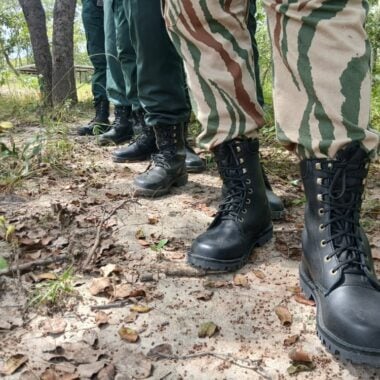
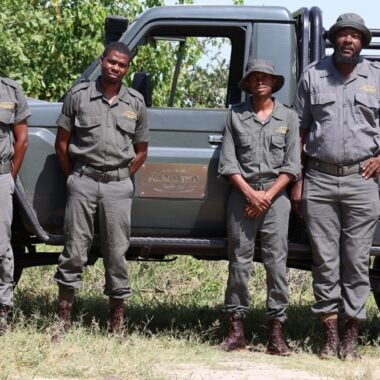
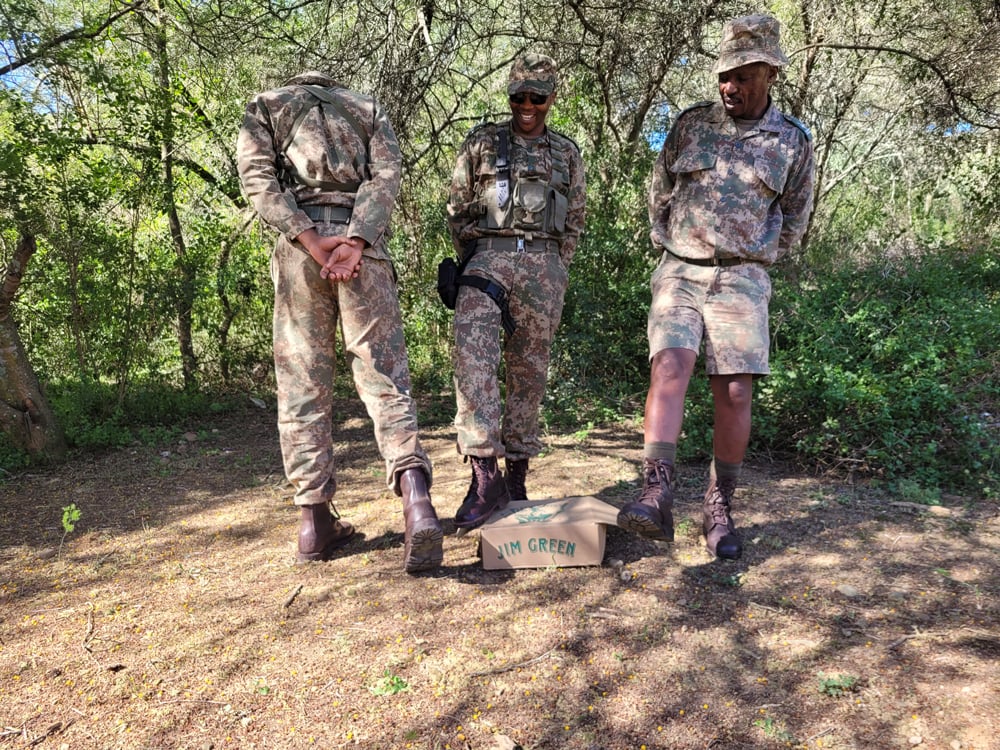
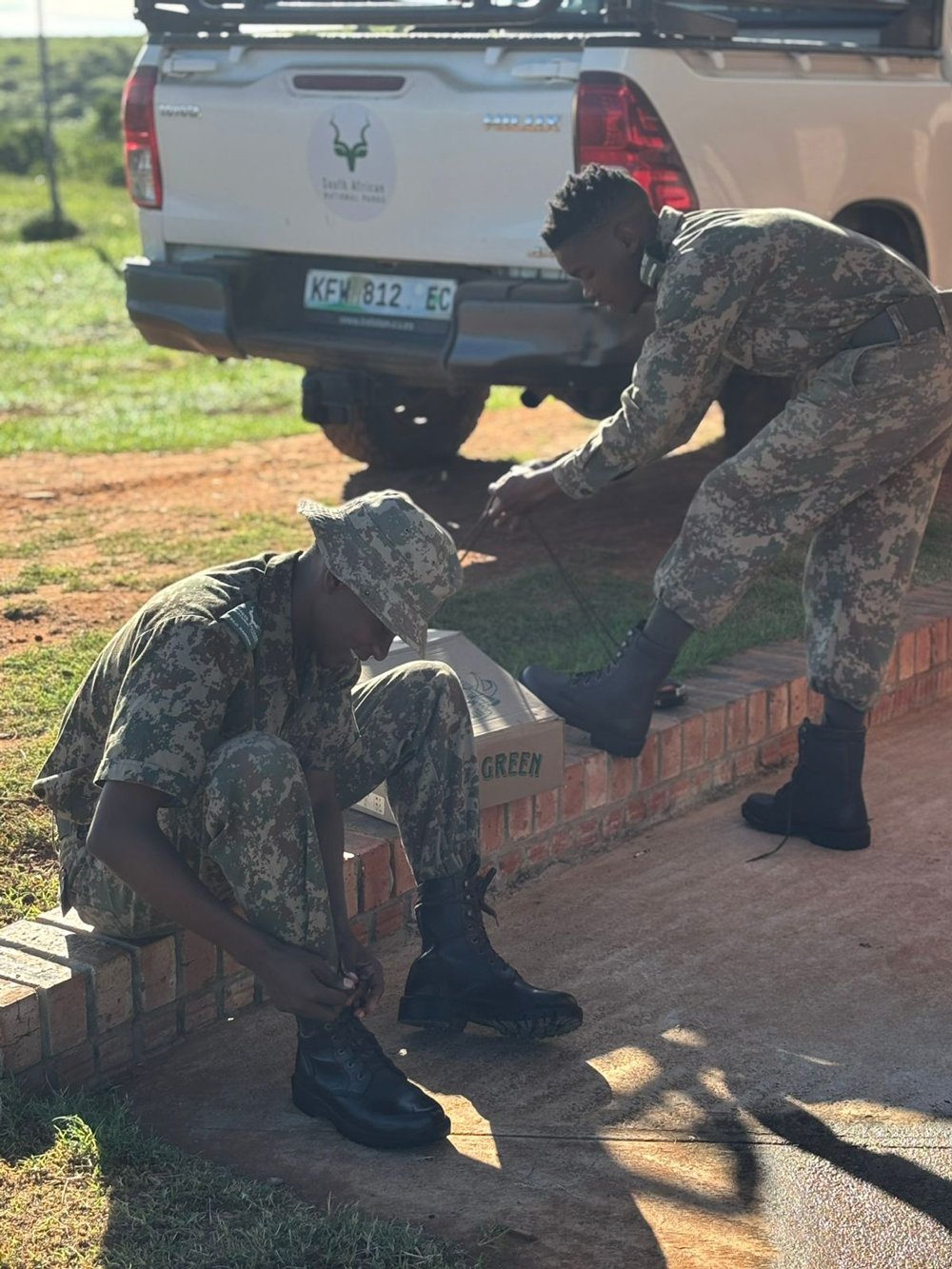
Reliable equipment can make a tangible difference in this environment, particularly footwear. Several rangers spoke candidly about the challenges of standard-issue military boots, especially in steep, rocky terrain where heels wear down quickly and trap heat. By contrast, the Jim Green boots issued to many in the field have proven more suited to Addo’s demanding landscapes.
“The more comfortable your boots are, the more you can cover large areas with patrols,” one ranger reflects. Another adds: “My Jim Greens have never let me down, they keep me going on long, tough patrols.”
Comfort affects performance, safety, and morale. “Many of us patrol for hours, and having good shoes reduces foot injuries,” another ranger says. “It allows us to be more effective in protecting wildlife. We are extremely grateful for this support!”
Cheers,
The Jim Green Team
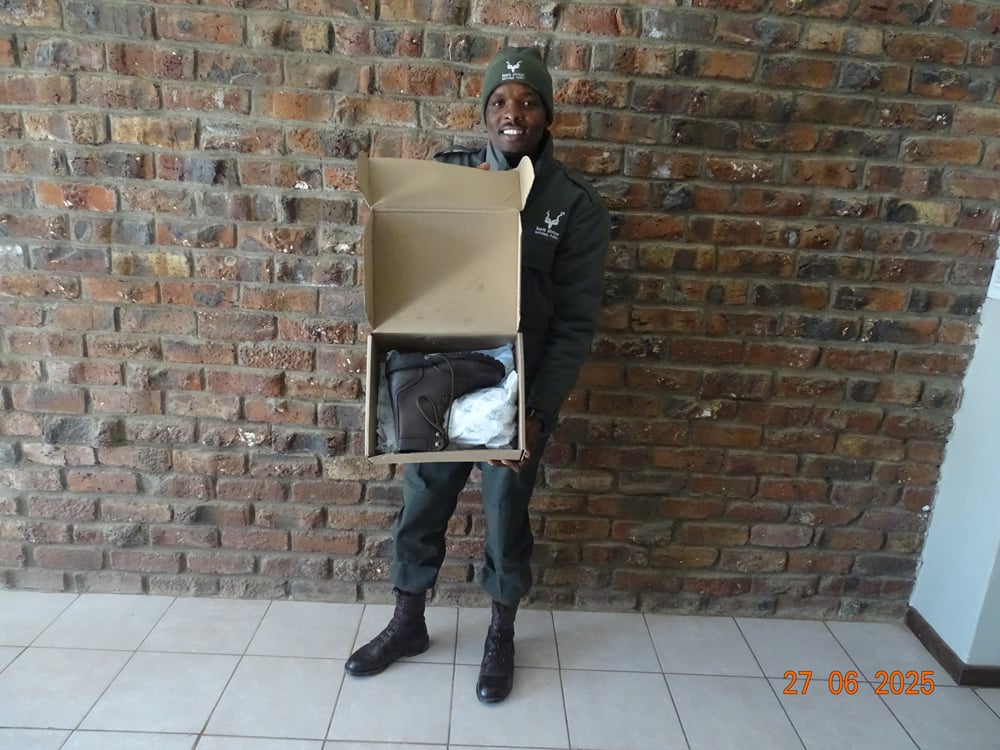
Through our Boots for Rangers initiative, run in partnership with the Game Rangers Association of Africa, we donate one pair of boots to a ranger for every ten pairs sold from our Ranger range. These boots are now supporting conservation teams at sites across Africa, with almost 10,000 pairs already on the ground.