English
 Français
 Deutsch

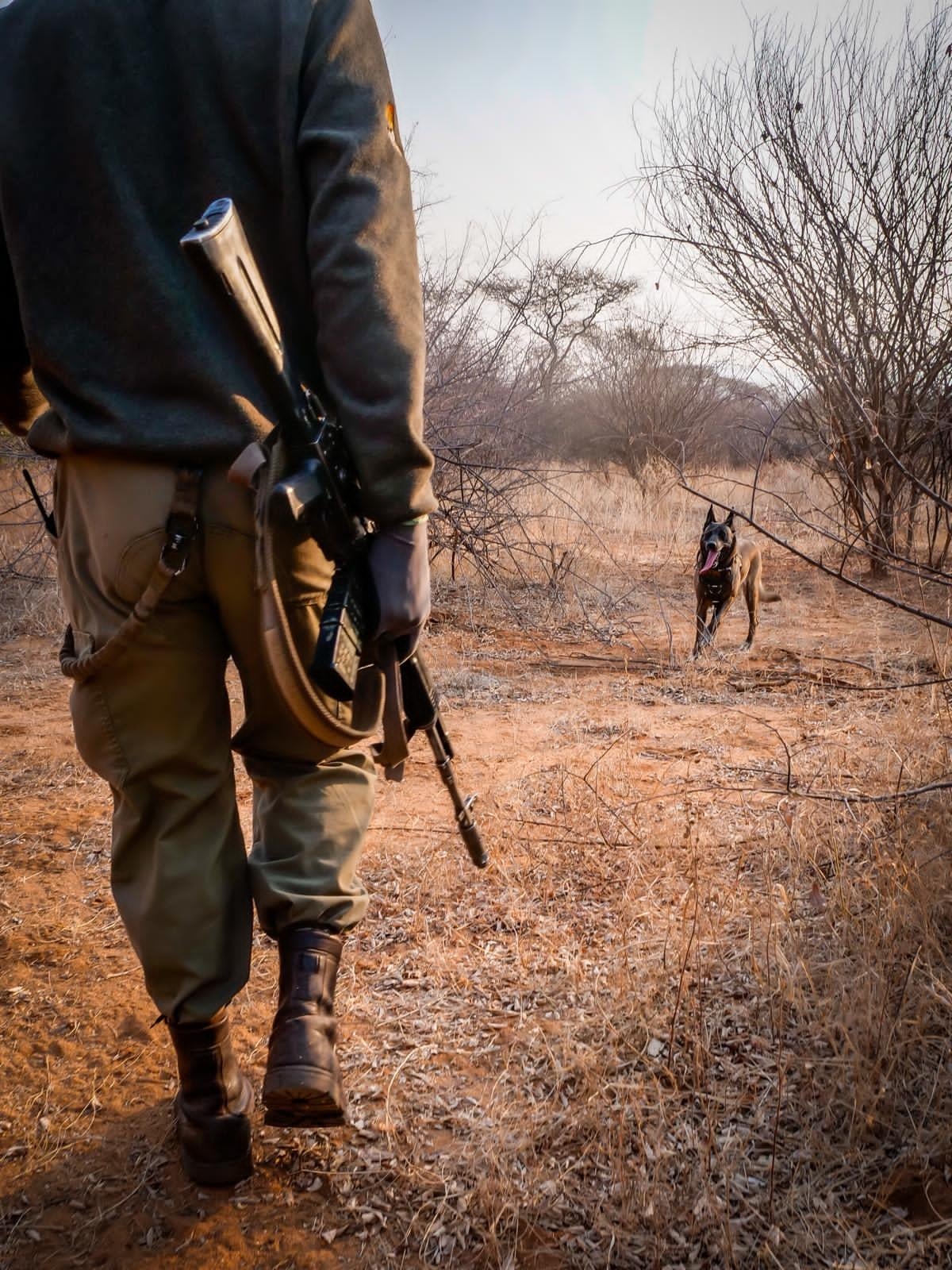
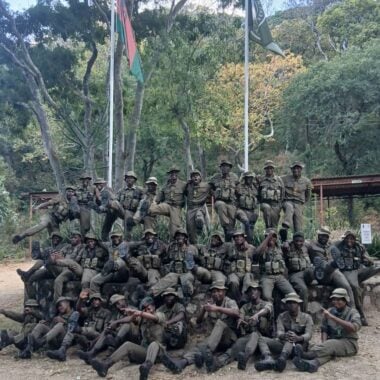
We caught up with the Savé Valley Conservancy team on a video call, with their trainers speaking to us from an office on-site in the lowveld of southeastern Zimbabwe.
“We’re responsible for recruiting and training rangers,” says Chief Training Instructor Charles. “But beyond training, we’re also involved in operations like anti-poaching, reaction and working with the K9 unit. It’s not just one role.”
That overlap is intentional, and training is closely tied to the realities rangers will face once they are deployed: long hours in the field, minimal supervision, and the expectation that they will make the right decisions on their own.
“You can find someone who didn’t go far in school,” Charles explains, “but you can see they have intelligence, they understand things. That’s what we look for.”
Charles goes on to explain that this is what separates a good ranger from a great one.“A good ranger follows instructions and does what is required,” he says. “A great ranger goes further. When you’re in the field, you don’t just do one task. You look at everything happening around you. You take initiative.”
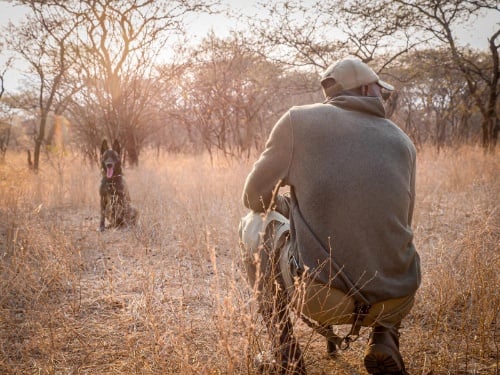
Teaching that mindset is one of the hardest parts of the job. “It’s not easy to take someone from a village and turn them into a ranger,” adds Assistant Training Instructor Amos. “You have to teach them everything, what the role is, what is expected.”
Much of that challenge comes down to discipline and trust. Rangers often work alone or in small teams, far from oversight. The system depends on their ability to operate independently and with integrity. “You’re sending someone out into the field on their own,” Charles says. “You need to know they will do exactly what they are supposed to do, even when no one is watching. That level of discipline is very difficult to build.”
The process of getting there is deliberately rigorous. It begins in surrounding communities, where instructors identify potential recruits. Education level is not the primary filter. Instead, the focus is on attitude, physical ability, and underlying potential. “You can find someone who didn’t go far in school,” Charles explains, “but you can see they have intelligence, they understand things. That’s what we look for.”
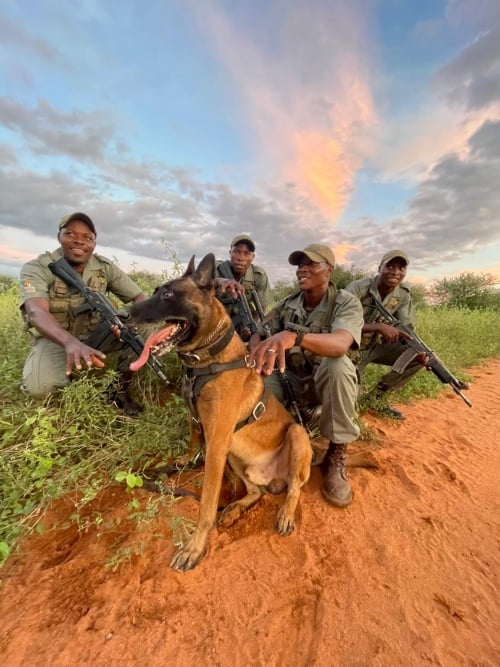
From there, candidates go through multiple stages of selection. A five-day in-camp evaluation follows initial assessments, and then a final 21-day selection phase to test endurance, discipline, and problem-solving under pressure. Only after that does formal training begin.
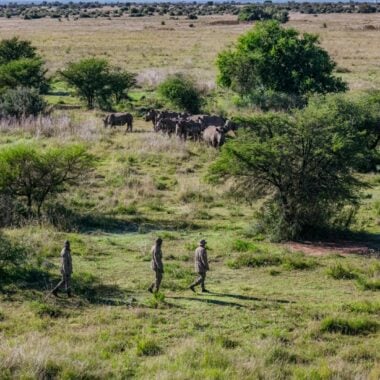
Over three months, recruits are introduced to the fundamentals of game ranging: navigation, bushcraft, tracking, and basic ecology. At Save Valley, tracking is central to everything. “With tracking, you can see the person completely,” Charles says. “Their endurance, their ability, their mindset. It shows you everything.”
More advanced skills, like weapon handling, come later, once instructors are confident in a recruit’s reliability. “It’s not something you give early,” he says. “It’s a big responsibility.”
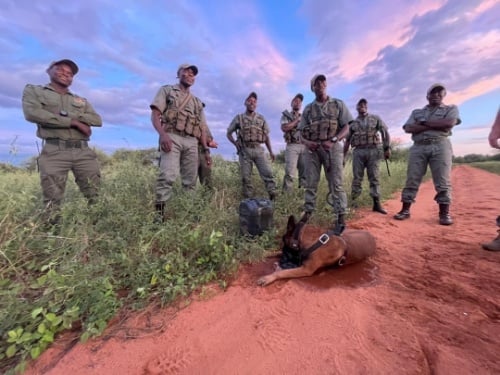
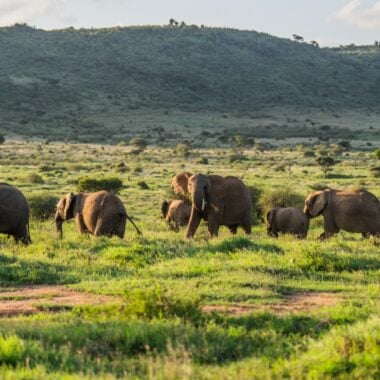
Once trained, rangers step into a vast, complex landscape. Save Valley is not a single, fenced-off reserve. It is a mosaic of properties, some privately managed, others inhabited by communities. Combining this with historic resettlements inside parts of the conservancy creates ongoing challenges. “We have people living inside,” he says. “Controlling that situation is very difficult.”
Human-wildlife conflict is a constant reality. So is the need to balance protection with the presence of communities that rely on the same land.
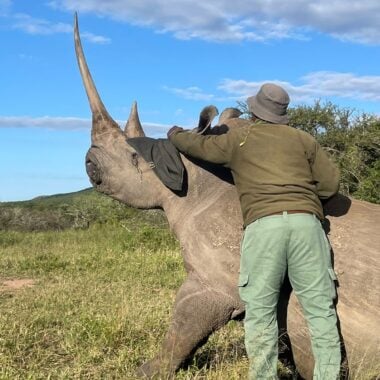
Despite this, operations continue, often under demanding conditions. For rangers like Darlington, who specialises in rhino monitoring, the work is highly focused and detail-driven, built around tracking animals across large areas of bush.
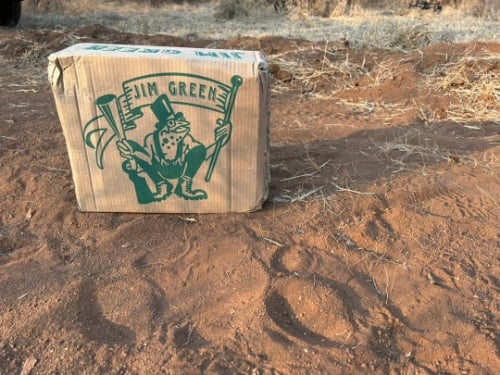
Others, like K9 handler Kudakwashe, serve on rapid response teams. “You might be out for one or two days, day and night,” he explains. “Sometimes you move in the dark, without lights, so you don’t alert poachers.”
In those conditions, you quickly feel it if something isn’t working. “A good pair of shoes is very important,” Kudakwashe says. “If your feet are in pain, you won’t perform at your best. But if you trust your boots, you can focus on the job.”
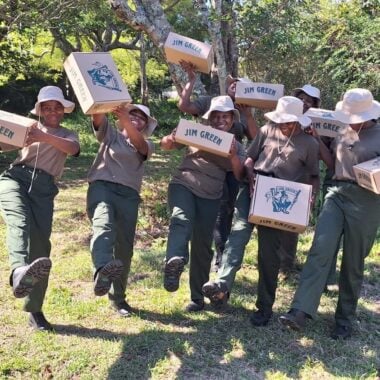
That practical reality is something the Boots for Rangers initiative directly supports. At Save Valley, teams have been using Jim Green boots for over two years, relying on them through long patrols, night operations, and rough terrain.
“They are strong and durable,” Darlington explains. “Even in areas with thorns or hard ground, they protect your feet.”
It’s a simple piece of equipment, but one that meets the demands of the job.
At Save Valley, the focus is on building rangers who can operate independently and under pressure. That process starts early, long before they’re out in the field, and continues long after training ends.
Cheers,
The Jim Green Team
Through our Boots for Rangers initiative, run in partnership with the Game Rangers Association of Africa, we donate one pair of boots to a ranger for every ten pairs sold from our Ranger range. These boots are now supporting conservation teams at sites across Africa, with 8691 pairs already on the ground. As of 14/05/2026