English
 Français
 Deutsch

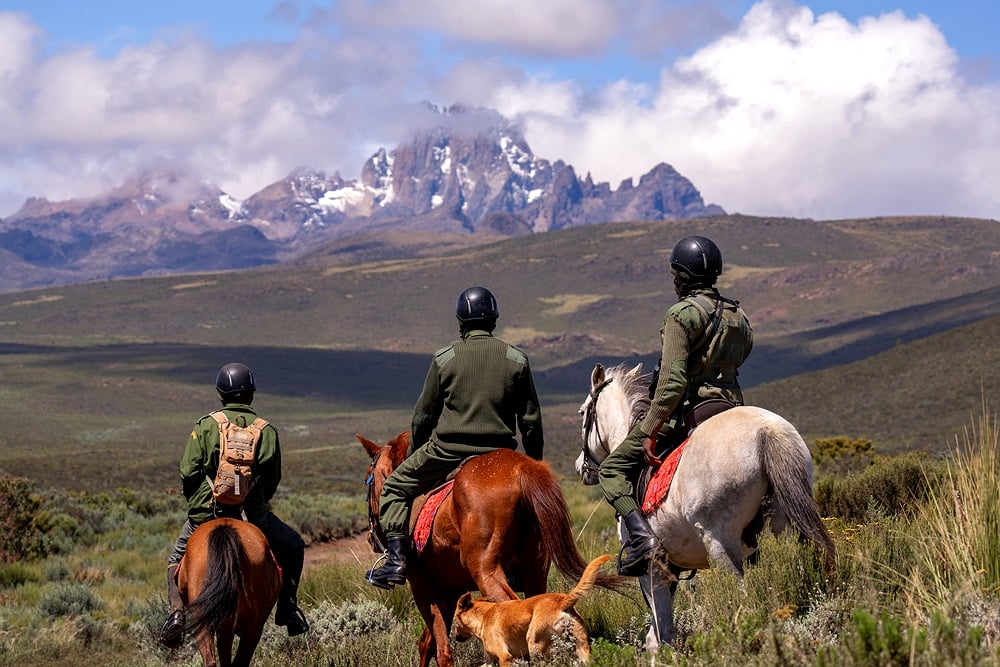
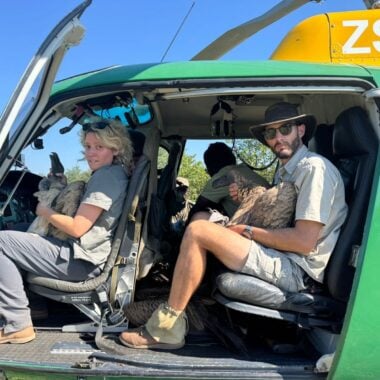
Mount Kenya doesn’t make conservation easy. It’s cold, steep (the mountain’s highest peak reaches 17,057 feet), and unpredictable. Patrols move through dense forests, across open moorlands, and over rivers that swell without warning. In some areas, communication drops off entirely. In others, the only way to reach a fire is by helicopter, because on foot, it could take two days.
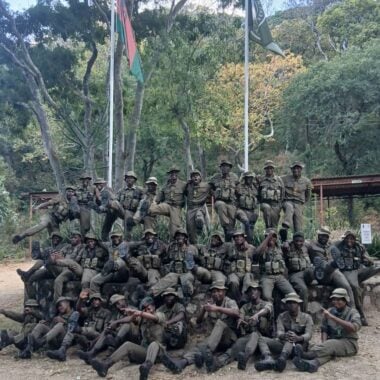
This is the landscape that Mount Kenya Trust (MKT) has been working to protect for over 25 years. “We’ve grown from a team of two to 67,” says Executive Director Susie Weeks, who has been with the organisation since its early days. “Most of whom are based in the field—rangers, fencers, tree planting monitors.”
Today, their work spans conservation, community development, and ecosystem restoration, all centred on one of Kenya’s most important natural resources: a mountain that supplies water to millions.
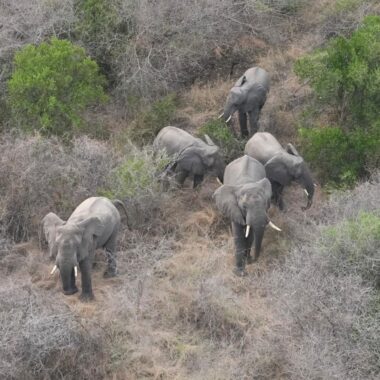
When Mount Kenya Trust was founded in 1999, the challenges looked very different. “Back then, we would have talked a lot more about expansive logging,” Weeks explains. “Elephant poaching was a major issue too, particularly during the spike between 2009 and 2014.”
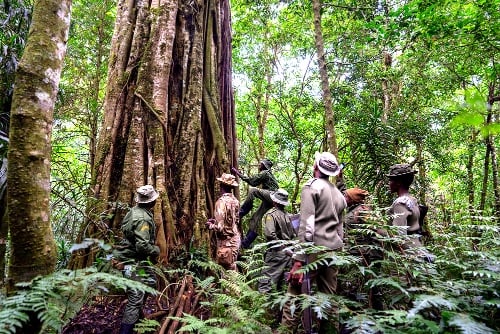
Those threats haven’t disappeared entirely, but they’ve evolved. Now, the pressures are more complex and, in many ways, harder to manage. “We’re talking about many more fires, all climate-related,” she says. “A lot more water extraction. And with the mountain being such a critical water catchment, it’s a really precious resource that feeds a huge part of the country.”
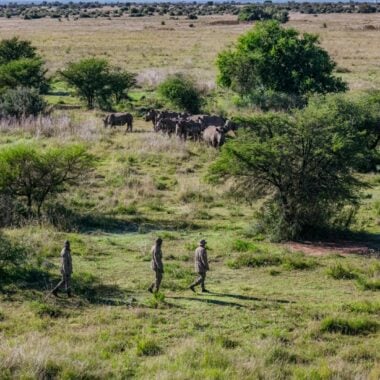
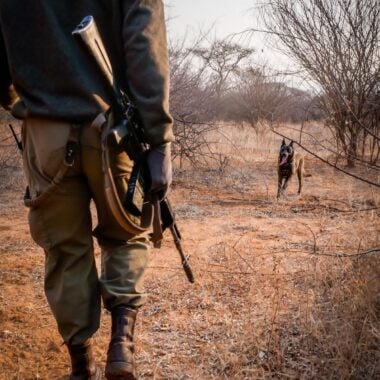
Illegal activities like logging, bushmeat hunting, and even small-scale cannabis cultivation persist, but they’re often more fragmented, harder to detect, and spread across difficult terrain. For rangers on the ground, that means long days on foot. “Most of our patrols are conducted on foot,” says MKT’s Head of Monitoring and Patrol Program Officer, Enock Ochieng. “You might be dropped at a point and then patrol from there, because you can’t access most areas by vehicle.”
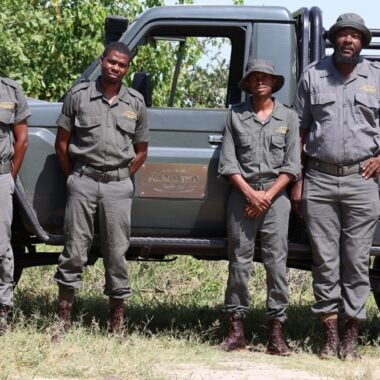
Teams often include a mix of MKT rangers, government officers, and community scouts, all working side by side. “We work closely with government agencies, mainly the Kenya Wildlife Service and the Forest Service, as well as community scouts,” he explains. “So on any given patrol, you could have a combined team working together.”
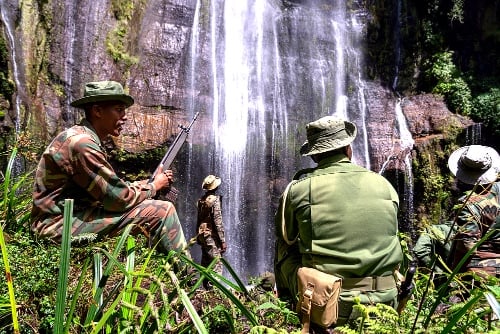
A sense of shared responsibility runs through everything the organisation does. While Mount Kenya Trust is donor-funded, its role is less about operating independently and more about strengthening ties that already exists. “We provide additional resources to help deliver on national conservation goals,” says MKT’s Communications & Grants Manager, Daisy Owiro. “It’s about complementing what’s already there and filling gaps where resources are limited.”
They often have to step in where others can’t. During emergencies like wildfires, for example, MKT provides the logistical support needed to respond quickly: fuel, equipment, and boots on the ground.
MKT’s approach is deliberately interconnected, grounded in the understanding that conservation doesn’t work if people’s basic needs aren’t met. “You can’t expect participation if someone doesn’t know where their next meal is coming from,” Weeks explains. “If crops are being destroyed by wildlife, it’s very difficult to ask people to protect that same wildlife.”
In forest restoration projects, communities are given plots to farm alongside newly planted indigenous trees. As the trees take hold, the land gradually transitions back into forest, without cutting off livelihoods in the process. “It allows for a livelihood aspect while restoring the ecosystem,” Weeks says.
At the same time, community-run nurseries are supported to grow seedlings, creating income streams directly linked to conservation. Health programmes extend care into remote areas, while education initiatives build awareness over time. Each piece feeds into the next, reinforcing a system in which conservation is not separate from daily life, but part of it.
“All these projects are interconnected,” Weeks says. “It’s about livelihoods, knowledge, and wellbeing, because those are the real drivers of human activity.”
On the ground, the physical reality of the work remains demanding. Rangers patrol seven days a week, often camping out for extended periods, navigating thick forest, steep slopes, and unpredictable weather. “There are places where you have no communication at all,” Ochieng says. “No phone signal and no radio.”
And still, the work carries on, for reasons that go beyond obligation.
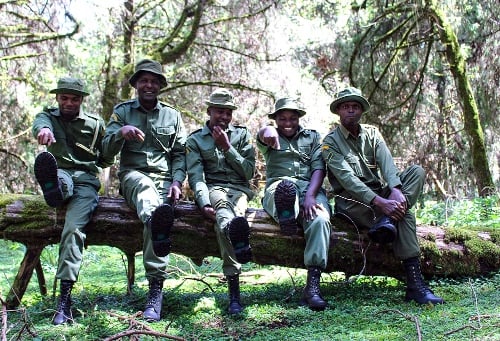
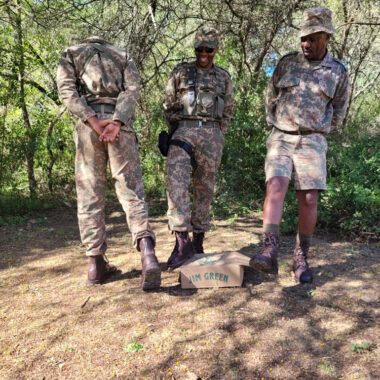
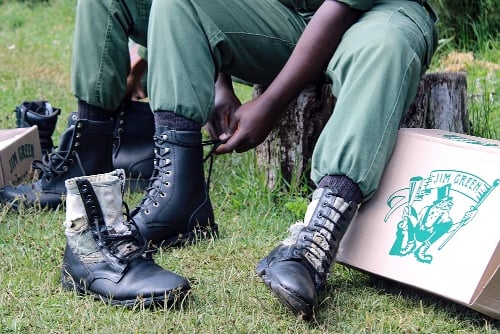
“They’re not doing it for the salary,” he says. “They’re doing it because they want to protect this resource for themselves.” It’s a sense of ownership that extends beyond the ranger teams. Community scouts—many of whom volunteer their time—play a critical role in sharing information and supporting operations. Strengthening that relationship has been key. “If we can provide them with equipment, even something like boots, it builds that relationship,” Ochieng explains. “It shows that they are part of this.”
Looking ahead, the goal is not just to protect the landscape, but to rethink who holds responsibility for it. “In ten years, we want communities to have real ownership,” Weeks says. “To have the capacity to manage and protect the forest themselves.”
That vision includes building training centres, expanding restoration efforts, and improving how information is shared across the mountain, so that conservation is guided by a complete, collective understanding of what’s happening on the ground. “At the moment, everyone reports on what they see,” Ochieng says. “But this is a huge area. We need a more unified picture.”
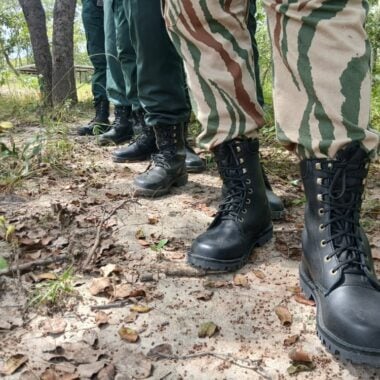
In a landscape this vast, fragmented efforts can only go so far. Even the smaller details, like what rangers wear on their feet, start to matter. The terrain is unforgiving, the distances long, and the conditions constantly changing. Good footwear is part of what allows the work to happen.
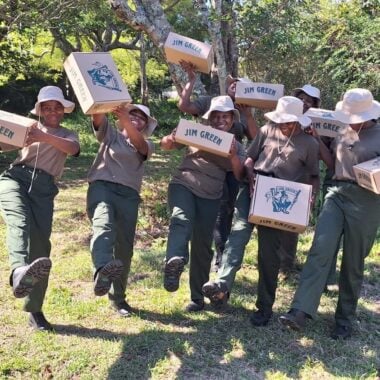
Through the Boots for Rangers initiative, Mount Kenya Trust has equipped not only its ranger teams, but also the community scouts working alongside them. It’s a practical intervention, but one that supports people doing physically demanding work, day in and day out.
On a mountain like this, progress comes from consistent effort, shared responsibility, and teams who keep showing up.
Cheers,
The Jim Green Team
Through our Boots for Rangers initiative, run in partnership with the Game Rangers Association of Africa, we donate one pair of boots to a ranger for every ten pairs sold from our Ranger range. These boots are now supporting conservation teams at sites across Africa, with over 6,000 pairs already on the ground.